
When you buy a PET bottling line, the first decision is not the machine brand. It is the accepted output of good bottles you need per shift. Once that number is fixed, the real comparison becomes floor space and total cost between one integrated blow fill cap machine and a set of separate machines linked by conveyors.
This article sets out what each layout actually contains, where the differences show up in daily operation, and which questions decide the choice before you request a quotation.
What Is a Blow Fill Cap Machine?
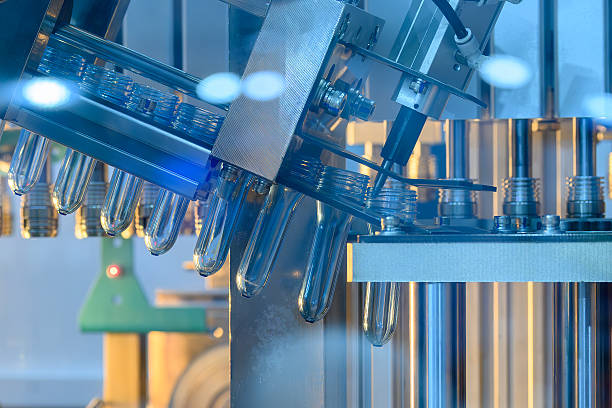
A blow fill cap machine combines a blow molding unit, a filling unit and a capping unit in one system. PET preforms are heated and stretch-blown into bottles, and the bottles are then filled and capped inside the same block.
These systems typically run at set speeds and move bottles continuously through the line, so there is no empty bottle conveyor and no empty bottle storage between blowing and filling. Preform injection molding takes place upstream of this block, not inside it. The blowing platform itself is described under automatic bottle blowing machine.
What Does a Separate PET Bottling Line Include?
A separate PET line is built from individual machines: the blower, an empty bottle conveyor, the filler and the capper. Filling and capping may be separate units or one combined machine. Compressors and cooling water are also required to support the machines.
An accumulation section can be added to absorb short stops, but its capacity only covers brief interruptions. It cannot carry a sustained delay on any one machine.
Workflow: PET preforms, blow molding, bottle conveying, filling, capping, finished bottles.
Blow Fill Cap Machines vs. Separate PET Bottling Equipment: Key Differences
| Comparison factor | Blow fill cap machine | Separate PET bottling equipment |
|---|---|---|
| Production layout | Integrated block | Independent stations |
| Floor space | Usually smaller | Conveyor and buffer space needed |
| Bottle transfer | Direct transfer | Conveyors between machines |
| Production flexibility | Synchronized units | Individual equipment selection |
| Maintenance | Coordinated shutdowns | Individual machine access |
| Initial investment | Depends on specifications | Investment can be phased |
| Production expansion | Check block upgrade limits | Replace individual stations |
Fewer transfer points usually mean less handling and less damage. However, a slow filling machine remains a bottleneck in both layouts, because the line can only accept what the slowest station delivers. Compare accepted bottles per shift, including changeovers and stops, rather than maximum speed on the datasheet.
Separate machines allow individual equipment choices and staged upgrades. Coordinated maintenance of an integrated block is required, since a shutdown affects blowing, filling and capping at the same time. Buffers cannot compensate for a long stop on a single machine.
Calculate total cost of ownership for both layouts using the same bottle and the same operating hours: installation, utilities, labor, spare parts and floor space. Neither layout is automatically the cheaper one.
When Should You Choose an Integrated Blow Fill Cap Machine?
Steady production volumes, long production runs and few bottle formats make integration worth considering. Where floor space in a new hall is scarce, an integrated block can be delivered in a compact footprint. Alongside nominal output, look at time spent cleaning and changing over bottles, and allow access space for maintenance.
When Is Separate PET Bottling Equipment the Better Choice?
Separate equipment is often preferred by smaller producers, by producers who need to develop a line in stages on a limited budget, or by producers who already have a suitable blower installed. Individual machines also let you choose equipment for different formats, but check change parts and settings before assuming that changeovers will be faster.
6 Factors to Consider Before Choosing a PET Bottling Line
- Production capacity. Match hourly rates against the accepted output per shift you need, allowing for stops.
- Bottle specifications. Supply bottle volume, shape and neck finish, together with preform weight and material requirements.
- Product type. Water, carbonated soft drinks, juices and oils require different filling conditions.
- Factory layout. Check access for the equipment as well as power, compressed air and cooling water supply.
- Maintenance and technical support. Establish spare part lead times and who is responsible for service.
- Total operating cost. Include purchase price, installation, labor and energy, together with tooling and maintenance.
The output side of this calculation is worked through in PET bottle line capacity planning from annual demand, and the full line scope is described in what a complete PET bottle production line includes.
Why Mold and Equipment Compatibility Matters
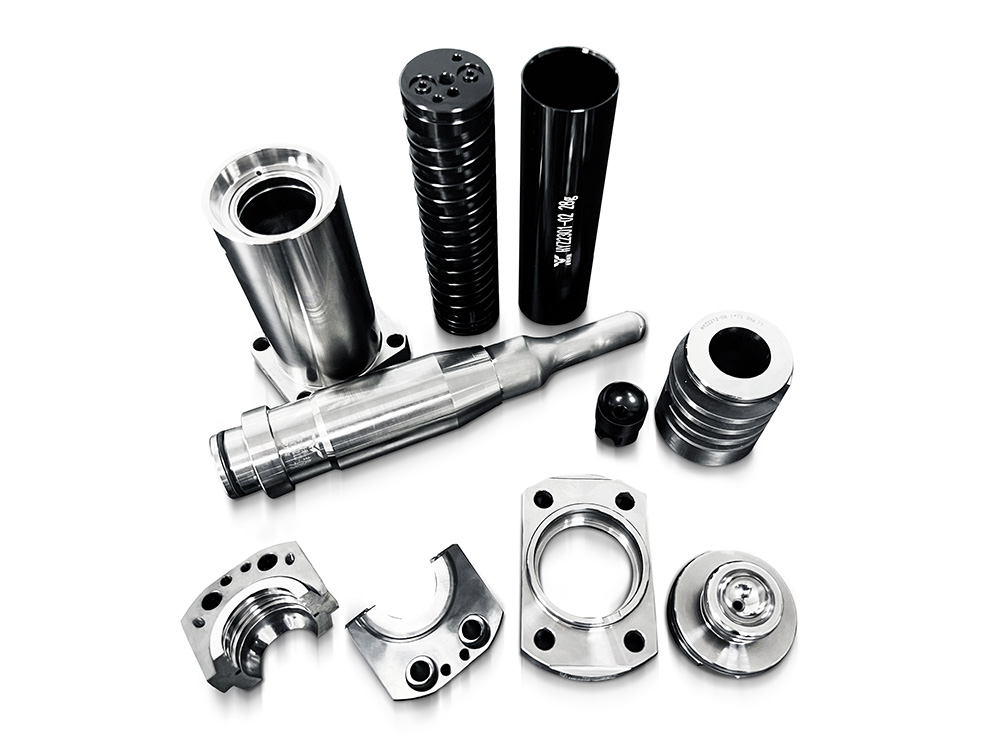
A PET line is only as good as the tooling it runs. Three mold families have to be defined against the same bottle drawing and the same machine.
- PET preform molds. Preform producers select from a range of molds to make the preform in the required neck finish. Preform weight and dimensions are critical to the design of the bottle that will be blown from it.
- PET blow molds. The blow mold forms the body of the bottle. Cavity design and cooling determine the final bottle dimensions and distribution; selection criteria are covered in how to choose a PET bottle blow mold for your blowing machine.
- Bottle cap molds. The cap is molded separately and has to fit and seal on the neck. Neck, cap and capping machine settings are checked against drawings before ordering.
Mold mounting and cooling connections are then checked against the intended injection or blow molding machine. Bottle, preform and cap drawings that disagree are the most common reason a new line cannot reach its rated output; the process sequence is summarized in PET bottle manufacturing process.
How HEYAN TECHNOLOGY Supports PET Production Line Projects
Bring the bottle drawings, the required hourly output and the plant layout. Preform, blow and cap molds are then planned together with customized preform injection molding solutions and, where needed, complete bottle blowing line solutions. Auxiliaries such as automation, air and cooling water can be defined for the first phase and for later phases in the same review.
Capacity, budget, bottle specifications and factory conditions decide the layout; mold compatibility should be checked as early as possible, before the machine order. HEYAN TECHNOLOGY supplies preform molds, blow molds and cap molds as one compatibility-checked set for integrated and separate lines alike.
Frequently Asked Questions
What is the difference between a blow-fill-cap machine and a separate bottling line?
Integrated equipment connects blowing, filling and capping in a single block. Separate lines use individual machines with conveyors moving bottles between stations. That affects bottle handling, space requirements, equipment choice and maintenance planning.
Is an integrated blow-fill-cap machine more efficient than separate PET bottling equipment?
Integration reduces intermediate bottle handling. Actual output still depends on matched capacities, bottle specifications, changeovers and reliability. Compare accepted bottles per shift under the same operating conditions instead of relying on maximum speed alone.
Can HEYAN TECHNOLOGY provide customized PET production line solutions?
Yes. Customized PET preform, blow and cap molds can be planned alongside injection molding and blowing line support. Supply the bottle drawings and the output requirement so equipment and auxiliaries are considered together.
